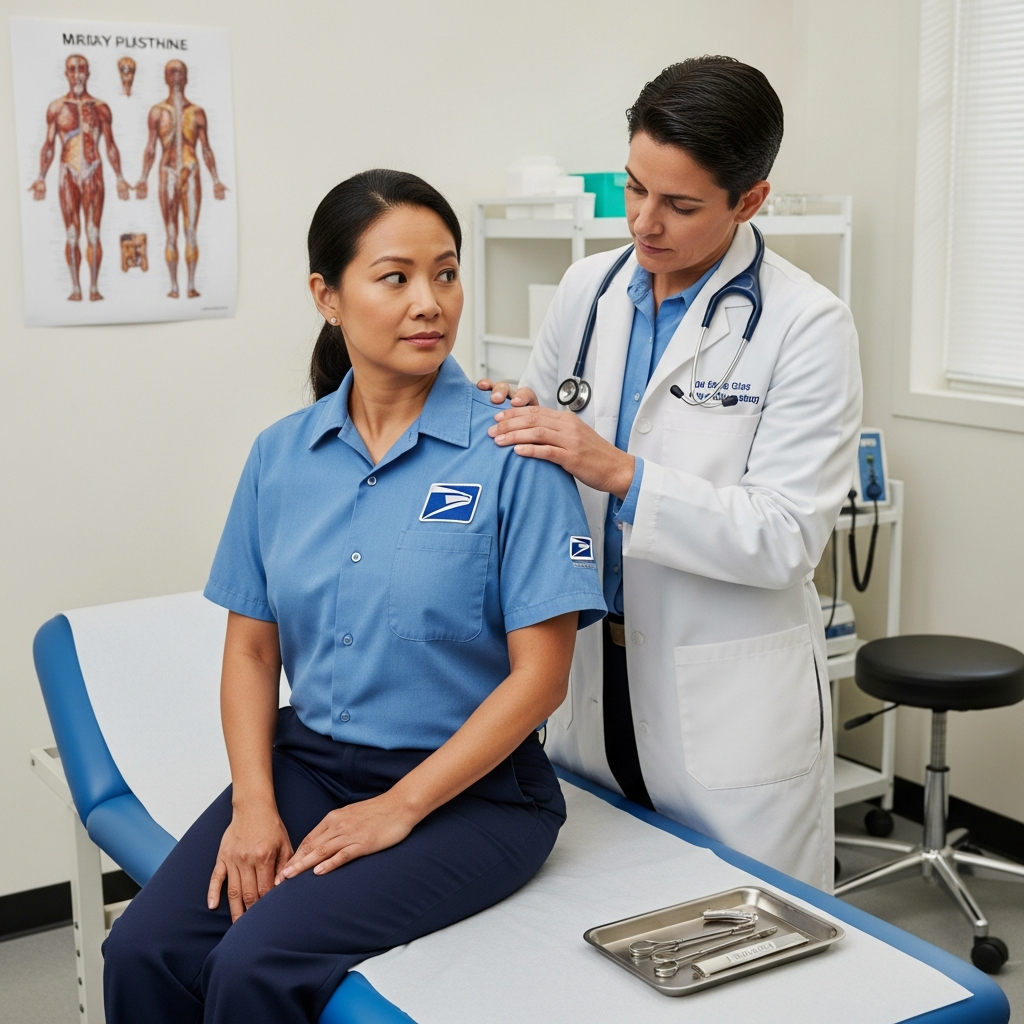
Jacksonville DOL Doctors: What to Expect at Your Appointment
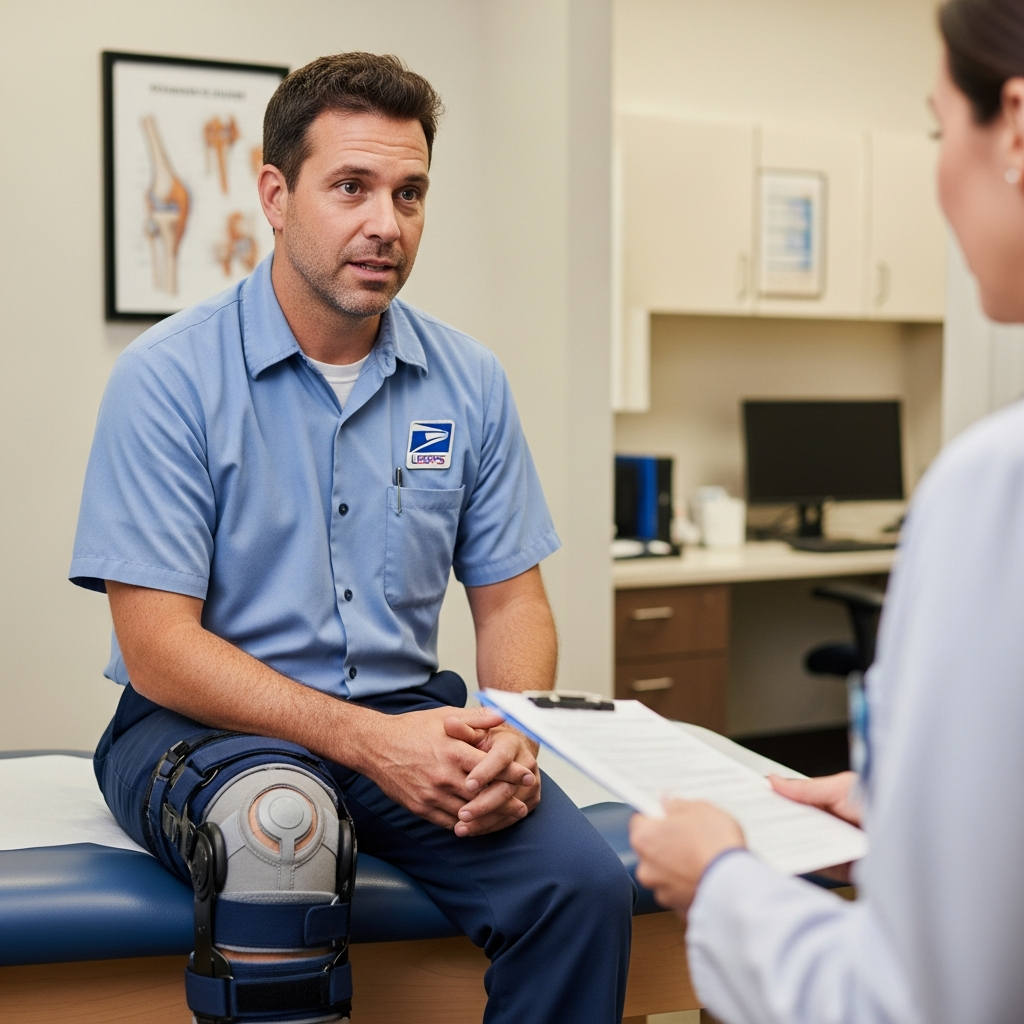
Your hands are probably sweating a little as you sit in that waiting room chair, aren’t they? The one with the slightly worn fabric that’s seen thousands of other nervous patients before you. You’ve got your referral paperwork clutched maybe a bit too tightly, and you’re wondering – for the dozenth time today – what exactly this DOL doctor appointment is going to be like.
Maybe you’re here because of that nagging back pain that’s been stealing your sleep for months… the one that started as a “minor tweak” at work and somehow morphed into this constant companion that makes you wince every time you reach for your coffee mug. Or perhaps it’s your shoulder – you know, the one that decided to stage a revolt after you tried to lift something you probably shouldn’t have.
The thing is, Department of Labor (DOL) medical appointments aren’t like your regular doctor visits. They’re not about getting a prescription for your allergies or discussing whether you should switch to a different multivitamin. These appointments? They carry weight. Real weight. The kind that can determine whether your workers’ compensation claim gets approved, whether you’ll receive the treatment you need, and honestly – whether you’ll be able to pay your bills while you recover.
And if you’re anything like most people, you’re sitting there with a mix of hope and anxiety churning in your stomach. Hope because finally, *finally*, someone’s going to examine this injury that’s been disrupting your life. Anxiety because… well, what if they don’t believe you? What if they think you’re exaggerating? What if they determine your injury isn’t as serious as it feels?
Here’s what I’ve learned after years of helping people navigate this process – those fears? They’re completely normal. But they’re also largely unnecessary when you know what to expect.
DOL doctors in Jacksonville have a very specific role in your workers’ compensation case. They’re not trying to catch you in some elaborate lie (despite what your anxious brain might be whispering). They’re not there to minimize your pain or rush you out the door. Their job is actually pretty straightforward: to conduct a thorough, objective evaluation of your injury and provide an honest medical opinion about your condition.
But here’s the catch – and this is where knowing what to expect becomes crucial – these appointments move differently than your typical doctor visits. The rhythm is different. The questions they ask might surprise you. The examination might be more comprehensive than you’re used to, or sometimes, frustratingly brief. Understanding this ahead of time can mean the difference between walking out feeling confident about your case and leaving with that sinking feeling that somehow you didn’t present your situation clearly.
You see, your regular doctor knows you. They’ve probably seen you for years, they understand your baseline, they know whether you’re the type to complain about every little ache or if you’re more likely to suffer in silence until something’s really wrong. A DOL doctor? They’re meeting you for the first time on what might be one of your worst pain days. They need to piece together your story quickly and accurately.
That’s exactly why preparation matters so much. Not the kind of preparation where you rehearse answers like you’re studying for a test – that actually backfires more often than you’d think. I’m talking about the kind of preparation that helps you communicate clearly about your pain, your limitations, and how this injury has genuinely impacted your life.
Throughout this article, we’re going to walk through exactly what happens during these appointments – from the moment you check in until you walk back out those doors. We’ll talk about the different types of evaluations you might encounter, the questions that typically come up, and how to present your case honestly and effectively.
More importantly, we’ll discuss how to advocate for yourself without coming across as difficult, how to handle those moments when you feel like the doctor isn’t really listening, and what to do if the examination doesn’t go the way you hoped.
Because here’s the truth – you deserve to have your injury properly evaluated and treated. You deserve to have your pain taken seriously. And with the right preparation and understanding of the process, you’ll be much better equipped to ensure that happens.
What’s a DOL Doctor Anyway?
Let’s clear this up right away because – honestly? – the term “DOL doctor” throws a lot of people off. You’re probably thinking it has something to do with the Department of Labor, right? Actually, it’s an acronym that stands for “Doctor of Obesity and Lipidology.” Think of it as a physician who’s become a specialist in the intricate dance between weight, metabolism, and how your body processes fats.
It’s kind of like… you know how a cardiologist focuses on hearts, and a dermatologist knows skin inside and out? Well, a DOL doctor has zeroed in on the complex world of weight management and metabolic health. They’ve done additional training beyond medical school to really understand why some people can eat pizza and stay thin while others (maybe you?) look at a bagel and gain two pounds.
The Science Behind Weight Loss Medicine
Here’s where things get interesting – and a bit counterintuitive. For decades, we’ve been told weight loss is simply about eating less and moving more. That’s like saying flying a plane is just about going up and staying up. Technically true, but it misses about a thousand crucial details.
Your body has this incredibly sophisticated system of hormones, enzymes, and neural pathways that regulate hunger, satiety, and how you store or burn fat. Ghrelin makes you hungry. Leptin tells you you’re full. Insulin decides whether that sandwich becomes energy or gets tucked away as fat storage. And that’s just scratching the surface…
DOL doctors understand these mechanisms in a way that – frankly – most general practitioners just don’t have time to master. It’s not their fault; they’re busy knowing a little bit about everything from broken bones to ear infections.
Why Jacksonville Has Embraced This Approach
Jacksonville’s medical community has really gotten on board with this specialized approach to weight management, and there’s a good reason for that. Florida ranks pretty high in obesity rates – not something we’re proud of, but it’s reality. Plus, our year-round warm weather means people are thinking about their weight and health more consistently than folks bundled up in Minnesota winters.
The city’s also become a bit of a hub for medical innovation. You’ve got Mayo Clinic Jacksonville pushing boundaries, plus a growing network of specialists who aren’t content with the old “eat less, exercise more” prescription that… let’s be honest… hasn’t exactly solved our obesity crisis.
What Makes This Different from Regular Weight Loss Programs
Okay, so you’ve probably tried Weight Watchers, maybe downloaded MyFitnessPal, possibly even survived a few weeks of some celebrity diet plan. Those approaches treat weight loss like a math problem – calories in versus calories out.
But here’s the thing your DOL doctor knows that those programs often miss: your body isn’t a simple calculator. It’s more like a complex ecosystem where changing one thing affects everything else. When you drastically cut calories, your metabolism doesn’t just sit there politely burning fat. It fights back. It slows down. It sends urgent “feed me” signals to your brain.
That’s why you can white-knuckle your way through a diet, lose 30 pounds, and then watch it all come back (plus interest) when you resume normal eating. Your body thinks it survived a famine and is preparing for the next one.
The Medical vs. Commercial Weight Loss Divide
This is where things get really different. Commercial weight loss programs – and I’m not throwing shade at them, some work great for some people – are essentially retail businesses. They need to sell you something: meal plans, supplements, memberships.
A DOL doctor? They’re practicing medicine. They can prescribe FDA-approved medications that actually change how your brain responds to food. They can order comprehensive lab work to figure out if your thyroid is sabotaging your efforts, or if insulin resistance is making weight loss feel impossible.
They can also spot underlying conditions that masquerade as “willpower problems.” Sleep apnea, for instance, wreaks havoc on hunger hormones. Certain medications can cause weight gain. Depression and weight often feed into each other in ways that need medical attention, not just a new gym membership.
It’s the difference between having a conversation with someone who’s studied the owner’s manual for your particular model of human body… versus getting advice from someone who’s really enthusiastic about fitness but has never looked under the hood.
What to Bring (Beyond the Obvious Paperwork)
Sure, you’ve got your insurance card and ID ready – but here’s what most people forget. Bring a complete list of every supplement you take, including those random vitamins you pop occasionally. Your DOL doctor needs the full picture, and that fiber gummy you take “sometimes” might actually interact with medications they’re considering.
Pack snacks. Seriously. These appointments can run longer than expected, especially if you’re doing blood work or additional testing. Nothing derails a productive conversation about your health like a growling stomach making you irritable and unfocused.
And here’s something nobody tells you – bring a charged phone or tablet loaded with your questions. Don’t rely on remembering everything in the moment. You know how your mind goes blank the second the doctor walks in? Write it down beforehand.
The Real Talk About Wait Times
Let’s be honest – you’re probably going to wait. Jacksonville DOL doctors often run behind because they actually spend time with their patients (which is good news for you when it’s your turn).
Here’s the insider tip: call about an hour before your appointment to check if they’re running on time. The front desk staff usually knows if the doctor is backed up, and you can adjust accordingly. Maybe grab that coffee you’ve been thinking about, or handle a quick errand instead of sitting in a waiting room for an extra 30 minutes.
If you’re one of those people who gets anxious when schedules go sideways, book the first appointment of the day or the first one after lunch. These slots are most likely to start on time.
Making the Most of Face Time
When you finally get in that room, resist the urge to minimize your concerns. You know that thing you do where you say “It’s probably nothing, but…” and then describe something that’s been bothering you for months? Stop doing that.
Your DOL doctor has heard it all – trust me. That weird pain, that embarrassing symptom, that question you think might sound stupid… they need to hear about it. They can’t help you with problems they don’t know exist.
Here’s a game-changer: start with your biggest concern first. Don’t bury the lead by talking about minor issues while your main worry sits there unaddressed. If you’re worried about chest pain, lead with that – not your seasonal allergies.
The Art of the Follow-Up Question
Most patients nod along during explanations but leave confused. It’s okay to interrupt (politely) and ask for clarification. Try phrases like “Help me understand what that means for my daily life” or “What should I be watching for at home?”
When your doctor recommends tests or treatments, ask about timing. Is this urgent, or can it wait until after your vacation? What happens if you don’t do it right away? These aren’t pushy questions – they help you prioritize and plan.
Navigate the Prescription Conversation
If medications come up – and they probably will – don’t just focus on what they do. Ask about what they don’t do. What side effects are actually common versus the scary-sounding rare ones? When should you expect to feel different?
And here’s something most people forget to ask: what does success look like with this medication? Are we aiming to eliminate symptoms completely, or manage them to a tolerable level? Having realistic expectations prevents frustration later.
Before You Leave the Office
This is crucial – before you walk out that door, make sure you understand the plan. Not just the immediate next steps, but the bigger picture. When should you come back? What symptoms should prompt an earlier return? Who do you call if problems arise after hours?
Get specific contact information for follow-up questions. Some offices have patient portals, others prefer phone calls, and some have nurses who handle routine questions. Knowing the preferred communication method saves you time and frustration later.
The Real Secret Weapon
Here’s what experienced patients know: build a relationship with the front desk staff. They’re often the gatekeepers for appointment scheduling, prescription refills, and getting your calls returned quickly. A friendly relationship here can make your entire healthcare experience smoother.
Remember their names, ask about their day, be patient when they’re dealing with insurance hassles. These small gestures pay dividends when you need a favor – like squeezing in an urgent appointment or getting a quick question answered without a full visit.
Your DOL doctor wants to help you feel better – but the more prepared and engaged you are, the better they can do their job.
When Things Don’t Go According to Plan
Let’s be real – your first DOL appointment probably won’t unfold like a perfectly scripted medical drama. You might walk in expecting immediate answers and walk out with… more questions. It’s frustrating, but it’s also completely normal.
The biggest challenge? Managing your expectations. You’ve likely been dealing with work limitations for weeks or months, and there’s this part of you that hopes the doctor will wave a magic wand and either clear you for full duty or validate that yes, you absolutely cannot work. But DOL doctors aren’t fortune tellers, and they’re not your personal physician who knows your entire history.
Dr. Martinez, who’s been conducting these evaluations in Jacksonville for over a decade, puts it this way: “Patients often come in wanting a definitive yes or no answer. Sometimes the honest answer is ‘it depends’ or ‘let’s see how you progress over the next few weeks.'” Not exactly what you want to hear when you’re stressed about bills and job security.
The Documentation Dilemma
Here’s where things get really tricky. You might think you’ve brought everything… and then realize you’re missing that one crucial piece of paperwork. Maybe it’s a specific test result your treating physician mentioned in passing, or perhaps it’s documentation of accommodations your employer tried (or didn’t try) to implement.
The solution isn’t just “bring everything” – though that’s not bad advice. It’s about understanding what the doctor actually needs to see. Think of it like this: they’re trying to piece together a puzzle, and missing pieces make their job nearly impossible.
Before your appointment, call the DOL office directly. Ask them specifically what documentation they need for your type of case. Don’t rely on general checklists you find online – different doctors have different preferences, and your specific situation might require unique documentation.
Communication Breakdowns (And How to Avoid Them)
You know that moment when the doctor asks about your pain level and you freeze? Suddenly, describing something you live with every day becomes impossible. “Well, it’s… it’s hard to explain…” Sound familiar?
This happens because we’re not trained to translate our daily experience into medical language. You might say your back “kills you,” but what does that actually mean in terms of functional limitation?
Here’s what works: practice describing your symptoms in concrete terms before you go. Instead of “my shoulder hurts really bad,” try “I can’t lift my arm above shoulder height without sharp, shooting pain that lasts for about ten minutes afterward.” Instead of “I get dizzy all the time,” say “I experience vertigo about three times per week, usually lasting 15-20 minutes, and it’s severe enough that I have to sit down immediately.”
The doctor needs to understand how your condition affects your ability to perform specific job functions – standing, walking, lifting, concentrating, whatever applies to your work.
The Waiting Game
After your appointment… nothing happens. Well, something’s happening, but you’re not seeing it. The doctor is reviewing everything, possibly consulting with colleagues, maybe requesting additional records. This can take weeks.
The silence is maddening. You’re checking your mailbox daily, calling your case worker, wondering if somehow your file got lost in some bureaucratic black hole. Meanwhile, you might be off work without pay, or struggling through modified duties that aren’t really working.
The reality is that thorough evaluations take time. Yes, it’s frustrating when you’re living in limbo, but rushing the process rarely helps your case. What you can do is stay organized – keep copies of everything, maintain a symptom diary if your condition fluctuates, and document any changes in your condition or treatment.
When the Decision Isn’t What You Expected
Maybe the doctor clears you for work when you know you’re not ready. Or perhaps they recommend restrictions that don’t quite match what you’re experiencing. This doesn’t mean the process is rigged or that the doctor doesn’t understand your situation.
Sometimes it means you need to work more closely with your treating physician to better document your limitations. Sometimes it means exploring different treatment options that might actually improve your condition. And sometimes – honestly – it means accepting that your perception of your limitations and the medical evidence don’t align perfectly.
The key is understanding that a DOL evaluation is one snapshot in time, not a permanent life sentence. Conditions change, treatment evolves, and you can always request re-evaluation if your situation worsens or if new medical evidence emerges.
Setting Realistic Expectations About Your Progress
Let’s be honest here – if you’re expecting to walk out of your first appointment with a magic pill that melts away 30 pounds in two weeks, you’re going to be disappointed. I know, I know… we’ve all seen those dramatic before-and-after photos on Instagram. But here’s the thing about real, sustainable weight loss: it’s more like training for a marathon than sprinting to catch a bus.
Most people start seeing meaningful changes around the 4-6 week mark. And by meaningful, I mean things like your clothes fitting differently, more energy during the day, or not feeling completely wiped out by 3 PM. The number on the scale? That can be… well, let’s just say scales are moody little devices that don’t always reflect what’s actually happening in your body.
Your Jacksonville DOL doctor will likely set expectations for losing 1-2 pounds per week once you hit your stride. Some weeks you might lose more, others less – and that’s completely normal. Actually, if someone promises you’ll drop 10 pounds every week, you might want to run. Fast.
What Your Follow-Up Schedule Will Look Like
Most clinics start with more frequent visits – think every 2-3 weeks for the first couple of months. It’s not because they’re trying to squeeze extra money out of you (though I understand the skepticism). These early check-ins are crucial for fine-tuning your treatment plan.
Your body’s going to react to medications, dietary changes, and new exercise routines in its own unique way. Maybe you’re someone who responds incredibly well to the first medication they try. Lucky you! Or perhaps you’re like many of us who need a few adjustments before finding that sweet spot where everything clicks.
As you progress and your routine becomes more established, visits typically spread out to monthly, then eventually every few months for maintenance. Think of it like learning to drive – you need an instructor right there at first, but eventually you’re cruising solo with just occasional tune-ups.
Tracking Your Progress Beyond the Scale
Here’s where things get interesting… and where your doctor becomes part detective, part cheerleader. They’re going to want to track more than just your weight. Blood pressure, blood sugar levels, how you’re sleeping, energy levels – the whole picture.
You’ll probably be asked to keep some kind of food diary or use an app. I’ll warn you now: this feels tedious at first. Like, really tedious. But it’s incredibly revealing. You might discover you’re eating way more sodium than you thought, or that you’re actually not eating enough protein to support your goals.
Many patients are surprised by how much their mood and energy improve before significant weight loss shows up. Your doctor will be watching for these wins too – they’re often more important than the number on the scale.
When to Call Between Appointments
Don’t be that patient who suffers in silence, then dumps three weeks’ worth of concerns on your doctor during your next visit. If you’re experiencing side effects that feel more than mild (we’re talking persistent nausea, severe headaches, or anything that’s interfering with your daily life), call the office.
Similarly, if you’re seeing zero progress after 4-6 weeks of following the plan religiously, that’s worth a conversation. Sometimes a simple medication adjustment or tweaking your meal timing can make all the difference.
The Long Game Mindset
Look, I’m going to level with you about something most weight loss articles won’t mention. This process can be frustrating. There will be weeks when you do everything right and the scale doesn’t budge. There might be social events where you feel awkward about your new eating habits, or days when you just want to eat pizza and forget about the whole thing.
Your Jacksonville DOL doctor has seen it all before. They’re not going to judge you for having a rough week or needing to adjust the plan. Actually, the best doctors expect these bumps in the road and help you navigate through them rather than around them.
The goal isn’t perfection – it’s creating sustainable habits that work with your actual life, not some idealized version of it. That takes time, patience, and usually a few course corrections along the way. But when it clicks? When you find that rhythm that works for your body, your schedule, and your preferences… that’s when the real magic happens.
You know what? Walking into that first appointment doesn’t have to feel like stepping into the unknown. Sure, your heart might be beating a little faster as you fill out those forms – that’s completely normal. We’ve all been there, wondering if this time will be different, if this doctor will actually *get* it.
But here’s the thing about DOL-certified physicians in Jacksonville – they’ve seen it all. They understand that your weight struggles aren’t about willpower or moral failing. They know you’ve probably tried everything under the sun, from crash diets to miracle supplements that promised the world but delivered… well, not much. These doctors get that you’re looking for real answers, not judgment.
What I love most about these appointments is how they shift the conversation. Instead of focusing on what you’ve done “wrong,” your DOL doctor will be genuinely curious about what your body needs to function at its best. Maybe it’s addressing that thyroid issue that’s been quietly sabotaging your efforts. Perhaps it’s finding the right medication to help quiet those food cravings that feel absolutely impossible to ignore. Or it could be as simple as getting proper lab work done – something that should’ve happened years ago but somehow… didn’t.
The beautiful thing about medical weight loss? You’re not doing this alone anymore. No more white-knuckling through another restrictive diet, wondering why everyone else seems to have this figured out when you’re struggling just to get through Tuesday without raiding the pantry. Your doctor becomes your teammate, your strategist, your voice of reason when things get tough.
And they will get tough sometimes – that’s just part of it. But having someone in your corner who understands the science behind weight loss, who can adjust medications when needed, who celebrates your wins and helps you navigate the setbacks… it changes everything.
I think what surprises most people is how *normal* they feel walking out of that first appointment. Not judged, not lectured, just… understood. Finally. Like someone handed them a roadmap instead of another dead-end diet plan.
Your Jacksonville DOL doctor isn’t going to wave a magic wand – I wish they could! But they will give you something potentially more valuable: a personalized plan based on your actual body, your real life, your specific challenges. Not some cookie-cutter approach that worked for your neighbor’s cousin’s friend.
Listen, if you’ve been sitting on the fence about making that call… what are you really waiting for? Another Monday morning promise to yourself? Another month of feeling frustrated with your body? The doctors are there, the appointments are available, and honestly? You deserve to have someone in your corner who actually knows what they’re doing.
Ready to take that next step? Give us a call – we’re here to answer your questions, help you understand your options, and connect you with a DOL-certified physician who gets it. No pressure, no judgment, just real support for where you are right now. Because you deserve better than going it alone.