Daytona Beach OWCP Clinics: What Services Are Covered?
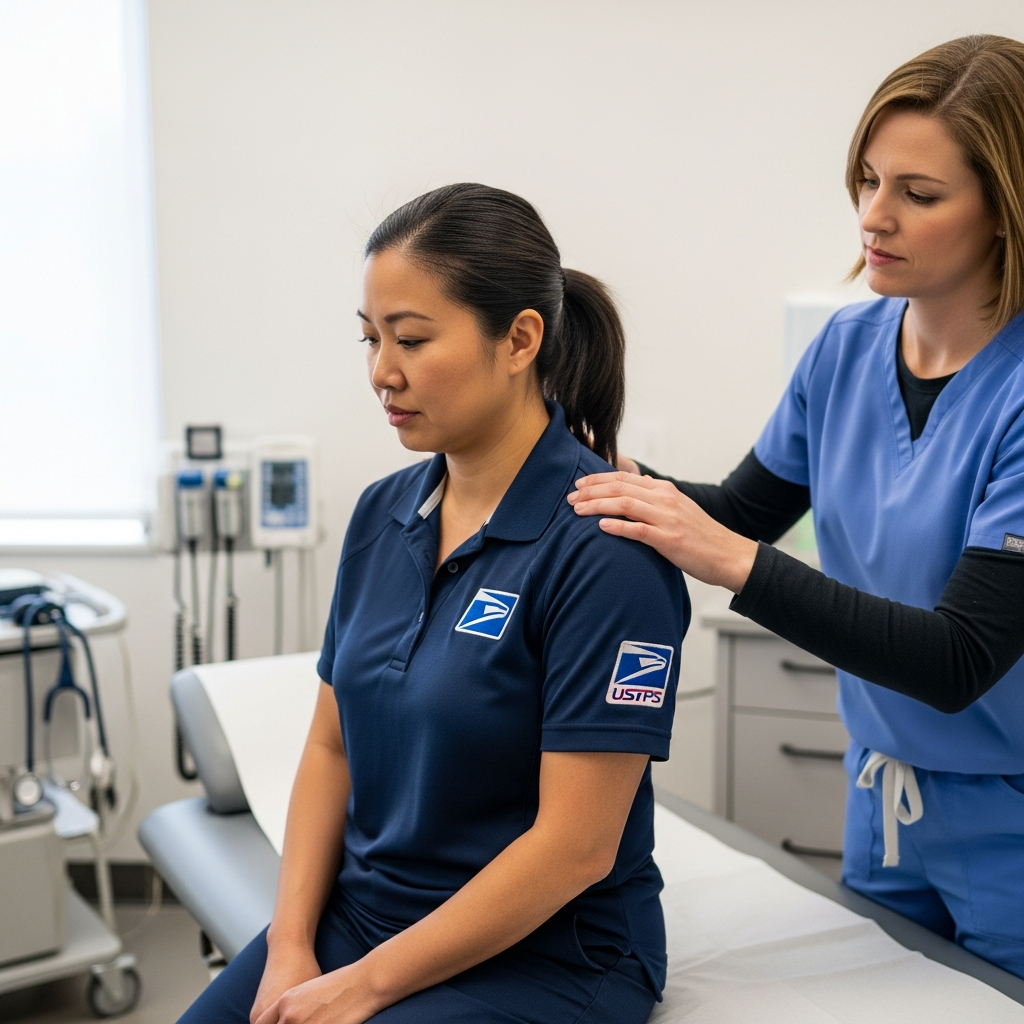
Picture this: You’re sitting in your car outside a medical clinic, staring at a stack of paperwork that might as well be written in ancient Greek. Your back is killing you from that incident at work last month, and you’re pretty sure your insurance should cover this visit… but honestly? You’re not entirely sure what’s actually covered under your OWCP benefits.
If you’re nodding along right now, you’re definitely not alone. The Office of Workers’ Compensation Programs – or OWCP, as most folks call it – can feel like navigating a maze blindfolded. And when you’re dealing with a work-related injury or illness, the last thing you want is more stress about whether your treatment will be covered.
Here in Daytona Beach, we’re lucky to have several clinics that specialize in OWCP cases. But here’s the thing… knowing that these clinics exist and actually understanding what services they can provide under your federal workers’ comp coverage? That’s two completely different conversations.
Maybe you’ve been putting off that physical therapy your doctor recommended because you’re worried about the cost. Or perhaps you need specialized treatment for a repetitive stress injury, but you’re not sure if it falls under OWCP guidelines. Heck, you might even be wondering if that MRI your physician ordered will get approved – because let’s be honest, medical bills have a way of snowballing fast.
The truth is, OWCP coverage is actually pretty comprehensive when you know how to work within the system. But – and this is a big but – understanding what’s covered, what requires prior authorization, and how to navigate the approval process? That’s where things get tricky.
You see, federal workers’ compensation isn’t like your typical health insurance. It operates under its own set of rules, has its own approval processes, and honestly… it can feel like learning a whole new language. The good news? Once you understand how it works, it can actually provide excellent coverage for work-related medical needs.
Think of it this way: if regular health insurance is like shopping at a regular grocery store where you mostly know where everything is, OWCP is more like shopping at a warehouse club. The selection might actually be better and the value definitely superior – but you need to know the layout, understand the membership rules, and figure out which entrance gets you where you need to go.
That’s exactly why we wanted to put together this guide specifically for folks in the Daytona Beach area. Because whether you’re a postal worker dealing with chronic back pain, a park service employee recovering from an injury, or a federal administrator struggling with carpal tunnel syndrome, you deserve to know what resources are available to you.
We’re going to walk through the specific OWCP clinics here in Daytona Beach – not just their names and addresses, but what they actually specialize in. You’ll learn which services typically get approved without much hassle (spoiler: there are more than you might think), and which ones might require a bit more paperwork upfront.
We’ll also talk about those gray areas… you know, the services where coverage might depend on your specific situation or how your claim was initially filed. Things like chiropractic care, mental health services related to your work injury, and some of the newer treatment options that are becoming more widely accepted.
And here’s something that might surprise you – we’ll cover some services you probably didn’t even know were available through OWCP. Because sometimes the best part about understanding a system isn’t just knowing what you can get covered… it’s discovering options you didn’t even know existed.
Look, dealing with a work-related injury or illness is stressful enough. You shouldn’t have to become an expert in federal bureaucracy just to get the medical care you need. By the time you finish reading this, you’ll have a clear roadmap for getting the most out of your OWCP benefits right here in Daytona Beach.
Ready to turn that confusing stack of paperwork into a clear action plan? Let’s get started.
What Exactly is OWCP Anyway?
You know how sometimes the simplest questions have the most complicated answers? “What is OWCP?” is definitely one of those.
The Office of Workers’ Compensation Programs – or OWCP if you’re into acronyms – is basically the federal government’s way of taking care of its employees when they get hurt on the job. Think of it like your employer’s insurance policy, except instead of State Farm or Geico, it’s Uncle Sam footing the bill.
But here’s where it gets a bit messy (and honestly, kind of confusing)… OWCP isn’t just one program. It’s actually four different programs rolled into one office. There’s FECA for federal employees, the Black Lung program for coal miners, the Energy Employees program for folks who worked with nuclear materials, and the Longshore program for maritime workers. It’s like having four different restaurants operating under one roof – they’re all serving food, but the menus are completely different.
For most people in Daytona Beach dealing with work injuries, you’re probably looking at FECA – the Federal Employees’ Compensation Act. That’s the big one that covers federal workers, from postal employees to park rangers to office workers at various government agencies.
The Difference Between Regular Workers’ Comp and OWCP
This is where things get… well, let’s just say it’s not exactly intuitive.
If you work for a private company and get hurt, you’ll probably deal with your state’s workers’ compensation system. That’s one set of rules, one way of doing things. But if you’re a federal employee? You’re in a completely different universe with OWCP.
It’s sort of like the difference between shopping at your local grocery store versus Costco. Same basic purpose – you need food – but everything from how you pay to what’s available to how much you can get is totally different. The federal system often has better benefits (hello, lifetime medical coverage for accepted claims), but the trade-off is… complexity. Lots and lots of complexity.
The paperwork alone could make your head spin. Forms with numbers like CA-1, CA-2, CA-20… it’s like they’re speaking in code sometimes. And honestly? They kind of are.
How Medical Coverage Actually Works
Here’s something that trips people up constantly – and I get why. When you’re injured and dealing with OWCP, you don’t just walk into any doctor’s office and flash your federal employee ID. Nope, that would be too easy.
OWCP has this whole network of approved providers. Think of it like being on a really strict insurance plan where you can only go to certain doctors, except the rules are even more specific. The clinic has to be willing to accept OWCP rates (which are often lower than what they’d normally charge), they have to understand the paperwork requirements, and they need to be familiar with federal regulations.
It’s kind of like having a gift card that’s only good at certain stores – except in this case, it’s your medical care we’re talking about.
Why Location Matters More Than You’d Think
Now, you might be wondering – why does it matter that we’re talking specifically about Daytona Beach? Can’t you just go anywhere for OWCP services?
Well… yes and no. Technically, OWCP coverage follows you wherever you go. But practically speaking? Having local providers who really understand the system makes a huge difference. It’s the difference between trying to navigate a foreign country with a guidebook versus having a local friend show you around.
Daytona Beach has a decent population of federal employees – between the postal service, various federal agencies, and military personnel – so you’ll find clinics here that actually know their way around OWCP paperwork. They speak the language, if you will.
The Approval Process Nobody Warns You About
Here’s something that catches almost everyone off guard: just because you’re a federal employee doesn’t mean your claim is automatically approved. OWCP has to accept that your injury is work-related first.
This is where things can get… frustrating. You’re hurt, you need medical care, but you’re stuck in this weird limbo waiting for approval. Some clinics will treat you while you’re waiting (bless them), others won’t touch you with a ten-foot pole until that approval letter comes through.
It’s honestly one of the most counterintuitive parts of the whole system – you’d think being a federal employee would make things simpler, not more complicated.
Getting Your Paperwork Game On Point
Here’s what nobody tells you about OWCP claims – the paperwork can make or break your case, and most people mess it up without even realizing it. I’ve seen too many folks lose out on benefits they deserved simply because they didn’t dot their i’s and cross their t’s properly.
First thing’s first: keep everything. I mean everything. That napkin you scribbled notes on after talking to your supervisor? Keep it. The receipt from your urgent care visit? Definitely keep it. You know how you throw away those explanation of benefits forms from insurance? Don’t. Create a dedicated folder – physical or digital, doesn’t matter – and become obsessive about documentation.
When you’re filling out Form CA-1 (for traumatic injuries) or CA-2 (for occupational diseases), resist the urge to rush through it. This isn’t your typical government form where you can fudge the details. Be precise about dates, times, and exactly what happened. If you twisted your ankle stepping off a loading dock at 2:15 PM on Tuesday, write that down – not just “hurt ankle at work.”
Choosing Your Daytona Beach Provider Strategically
Not all OWCP-approved providers are created equal, and honestly? Some are way better at dealing with federal workers’ comp than others. You want someone who speaks the OWCP language fluently, not someone who’s going to learn on your dime.
Call ahead and ask pointed questions. “How many OWCP cases do you handle monthly?” is a great starter. If they hesitate or give you a vague answer, that’s your cue to keep looking. You want a clinic that processes these claims like clockwork, not one that treats your case like an exotic puzzle.
Here’s something most people don’t think about – location matters for more than convenience. If you’re dealing with a chronic condition that requires ongoing treatment, picking a provider that’s slightly further away but has better OWCP experience will save you headaches down the road. Trust me, driving an extra fifteen minutes beats having your claims denied because of poor documentation.
Maximizing Your Covered Services
The OWCP covers more than you might think, but you have to know how to ask for it. Physical therapy? Absolutely covered – but here’s the kicker: you might need to be specific about the type. Don’t just ask for “PT” – request “work conditioning” or “functional capacity evaluations” if that’s what you need to get back to your specific job duties.
Diagnostic testing is usually covered, but timing matters. If your doctor orders an MRI and you wait three months to get it done, OWCP might question whether it’s still necessary for your current condition. Stay on top of scheduling, and if there are delays, document why.
Here’s something that catches people off guard – vocational rehabilitation is covered if you can’t return to your original position. This isn’t just job training; it can include everything from career counseling to equipment modifications. But you need to advocate for it. OWCP won’t automatically offer these services; you have to make the case that you need them.
Working the System (Legally and Ethically)
Let’s talk about something that sounds controversial but isn’t – you need to understand OWCP’s priorities to get the best care. They want you back to work, healthy and productive. Everything they approve or deny flows from that basic principle.
When your doctor writes reports, make sure they address your specific job requirements. A generic note saying “light duty” doesn’t help anyone. But a detailed explanation of how your injury affects your ability to lift mail bags or operate postal machinery? That’s gold.
Keep detailed symptom diaries, especially for occupational illnesses that develop over time. “My back hurts” isn’t helpful. “Sharp pain in lower left back, rating 7/10, occurs after sorting mail for 2+ hours, improves with 15-minute break” – now we’re talking.
The Follow-Up Formula That Actually Works
Most people submit their paperwork and then… wait. Wrong move. Follow up every two weeks, not to be annoying, but to show you’re engaged in your recovery. When you call, have your case number ready and ask specific questions: “What’s the status of my physical therapy approval?” not “How’s my case going?”
Build relationships with the clinic staff handling OWCP cases. These folks deal with the insurance maze all day, and they often know shortcuts that can speed up your approvals. A little kindness goes a long way – remember, they’re trying to help you navigate the same frustrating system.
When the Paperwork Feels Like a Full-Time Job
Let’s be real – dealing with OWCP paperwork can feel like trying to solve a Rubik’s cube blindfolded. You’re already dealing with an injury, and now you’ve got forms that seem designed by someone who’s never actually been hurt at work.
The biggest headache? Getting your initial claim approved. You’d think showing up with a doctor’s note saying “yes, this person is injured” would be enough, but… well, that’s adorable. OWCP wants specific language, specific forms, and everything documented just so. Miss one checkbox? Back to square one.
Here’s what actually works: Before you submit anything, call the Daytona Beach clinic and ask them to review your paperwork. I know, I know – another phone call when you’re already exhausted. But spending 15 minutes on the phone now can save you weeks of back-and-forth later. These folks see rejected claims all day long, and they know exactly what triggers those dreaded “insufficient documentation” letters.
The Doctor Shopping Dilemma
This one’s tricky because you might not even realize you’re doing it wrong. You get hurt, you go to your regular doctor, they refer you to a specialist… and suddenly OWCP is questioning why you didn’t go to an “authorized” provider first.
Here’s the thing – OWCP has specific rules about which doctors you can see and when. It’s not that your longtime family doctor isn’t good enough; it’s that the system has hoops to jump through. And honestly? Sometimes those hoops feel pretty arbitrary.
The solution isn’t glamorous, but it works: Always check with the Daytona Beach OWCP clinic before scheduling any appointment that isn’t an emergency. Yes, even for that follow-up your doctor recommended. The clinic can tell you whether your chosen provider is in-network and whether you need any special authorizations. It’s one more step, but it beats getting a surprise bill six months later.
When Your Injury Doesn’t Fit the Boxes
This is where things get genuinely frustrating. OWCP forms love clear, obvious injuries – you fell, you hurt your back, the end. But what about repetitive stress injuries that developed over months? Or that time you tweaked something small that turned into something big?
The system struggles with gray areas, and unfortunately, human bodies are basically made of gray areas. Your shoulder didn’t just suddenly decide to hurt one Tuesday – it’s been building up for who knows how long.
The key here is documentation, but not just any documentation. You need to tell a story that connects your work activities to your symptoms. Think of it like… well, like you’re a detective building a case. That means keeping track of when symptoms started, what work tasks make them worse, and how the injury affects your daily life.
The Daytona Beach clinic can help you frame this narrative in language that OWCP understands. They’ve seen every variation of “it just gradually got worse” and know how to translate that into bureaucracy-speak.
The Waiting Game (And How to Not Lose Your Mind)
Let’s talk about the elephant in the room – how long everything takes. You submit a claim, and then… crickets. Weeks go by. You’re wondering if they lost your paperwork, if you did something wrong, or if the whole system just forgot you exist.
This waiting period is brutal because you’re dealing with pain, possibly can’t work, and have no idea when relief is coming. The uncertainty can be worse than the injury itself sometimes.
Here’s what helps: Set up a check-in schedule with the clinic. Not daily calls (they’ll stop taking your calls), but maybe once a week or every two weeks, depending on where you are in the process. Most importantly, ask for specific timelines. Instead of “we’ll let you know,” push for “you should hear something by X date, and if you don’t, call us.”
Also – and this might sound silly – but treat the waiting like you would waiting for any other important news. Don’t put your whole life on hold. Keep doing things you enjoy (within your physical limitations, obviously). The claim will process whether you’re staring at the phone or not.
Getting Second Opinions Without Getting in Trouble
Sometimes you need another perspective on your injury, but you’re worried about rocking the boat with OWCP. The good news is that second opinions are often covered – you just need to go about it the right way.
Start by discussing your concerns with the clinic. They can help you understand whether a second opinion makes sense for your situation and how to request one properly. Because here’s the thing – getting unauthorized treatment isn’t just expensive, it can actually hurt your claim.
Setting Realistic Expectations for Your Recovery Timeline
Here’s the thing about OWCP cases – they don’t happen overnight. I wish I could tell you that you’ll be back to 100% in a few weeks, but that wouldn’t be honest… and you deserve honesty.
Most workplace injuries follow a pretty predictable pattern. The first few weeks are usually about getting an accurate diagnosis and managing your immediate pain. You’re probably dealing with paperwork (so much paperwork), figuring out which doctors you can see, and maybe feeling frustrated that things aren’t moving faster.
That’s completely normal.
Once you’re established with your OWCP-approved clinic in Daytona Beach, expect the real work to begin. Physical therapy typically runs 6-12 weeks for moderate injuries – though I’ve seen people need longer for complex cases. Your body didn’t break overnight, and it won’t heal that way either.
Some weeks you’ll feel like you’re making huge progress. Others? You might feel like you’re going backward. That roller coaster feeling – where Wednesday you think you’re almost ready to return to work, but Friday you can barely get out of bed – is incredibly common. Your healthcare team has seen this before.
What Those First Few Appointments Will Look Like
Your initial visit is going to be thorough. Really thorough. Plan on being there for at least an hour, maybe longer if you need imaging or additional tests.
The doctor will want your complete work history, a detailed account of how the injury happened, and they’ll probably ask the same questions multiple ways. Don’t take this personally – they’re building a comprehensive picture for both your treatment and your OWCP case.
You’ll likely have homework after that first visit. Exercises to do at home, activity restrictions to follow, maybe some lifestyle modifications. Actually… let me be real with you for a second – following through on these recommendations is crucial. I know it’s tempting to skip the boring exercises or push through restrictions when you’re feeling better, but consistency is what separates people who fully recover from those who don’t.
Your treatment team will also coordinate with OWCP directly, which takes some pressure off you. But you’ll still need to stay engaged with the process.
Navigating the Approval Process
Here’s where things can get a bit… bureaucratic. OWCP has their own timeline, and it doesn’t always align with how quickly you’d like things to move.
Initial treatment approvals usually come through within a few days to a week. But if you need more specialized care – like an MRI or a consultation with a specialist – that might take 2-3 weeks. Sometimes longer during busy periods.
The key is staying in communication with your clinic’s OWCP coordinator. These folks are worth their weight in gold – they know exactly how to navigate the system and can often expedite things that would take you weeks to figure out on your own.
If you hit any snags (and you might), don’t panic. Delays in approval don’t necessarily mean your claim is in trouble. Sometimes it’s just… government bureaucracy being government bureaucracy.
Planning Your Return to Work
This is probably what you’re really wondering about, right? When can you get back to your normal life?
The honest answer is that it depends on so many factors. Your injury type, your job requirements, how well you respond to treatment, whether you need any workplace accommodations…
Most people with minor to moderate workplace injuries are looking at 4-8 weeks before they can return to some level of work activity. That might mean light duty at first – restricted lifting, modified tasks, shorter shifts. Think of it as a test run for your body.
Don’t rush this part. I’ve seen too many people push to return too quickly, only to re-injure themselves and end up worse than where they started. Your OWCP clinic will work with you and your employer to determine when you’re truly ready.
Building Your Support Network
Recovery isn’t just physical – there’s a mental component too. You’re dealing with pain, possibly financial stress, maybe frustration with the whole process…
Your OWCP clinic should feel like part of your team, not just another appointment to check off. If you’re not feeling supported or heard, speak up. Good clinics want to know when something isn’t working.
Also, don’t underestimate the value of staying connected with your normal life as much as possible. Recovery can feel isolating, but maintaining relationships and activities (within your restrictions) actually helps the healing process.
Remember – you’re not just getting better, you’re building resilience for the long term.
Getting the Support You Deserve
You know what? Dealing with a workplace injury is tough enough without having to navigate the maze of OWCP coverage on your own. The good news – and I mean this sincerely – is that you don’t have to figure it all out by yourself.
Here in Daytona Beach, we’re fortunate to have clinics that genuinely understand the ins and outs of federal workers’ compensation. These aren’t just places that grudgingly accept OWCP patients… they’re facilities that actually specialize in helping federal employees get back on their feet. Whether you’re dealing with that nagging back pain from lifting heavy mail sacks, recovering from a slip and fall at the post office, or managing something more complex like a repetitive stress injury – there are people here who get it.
The coverage is more comprehensive than you might think. Physical therapy, specialist consultations, diagnostic tests, even some alternative treatments that might surprise you. Actually, that reminds me of a patient who was amazed to discover her acupuncture sessions were covered when traditional treatments weren’t quite cutting it. Sometimes the path to healing isn’t what we expect.
What really matters is that you’re not stuck choosing between getting proper care and worrying about the bills. That’s the whole point of workers’ compensation – to remove that burden so you can focus on what’s most important: getting better and returning to work when you’re truly ready.
I’ve seen too many federal employees try to tough it out, thinking they’ll just power through the pain or that the paperwork is too complicated. Here’s the thing – you’ve earned these benefits through your service. You’re not asking for a handout; you’re accessing healthcare coverage that’s rightfully yours.
The documentation process might feel overwhelming at first glance, but the right clinic will walk you through it step by step. They’ll help with the forms, communicate with your agency, and make sure everything’s filed properly. Because honestly? That’s their job, not yours. Your job is to focus on healing.
And if you’re sitting there wondering whether your injury “counts” or if you’re eligible for certain services… stop second-guessing yourself. Every situation is unique, and what might seem straightforward to one person could be surprisingly complex for another. The only way to know for sure what’s available to you is to ask.
Here’s what I’d love for you to do: if you’re dealing with a work-related injury or illness, reach out to one of these OWCP-experienced clinics. Don’t wait until the pain gets worse or until you’re more frustrated with the system. A simple phone call can answer your questions and get you started on the right track.
You deserve care that’s both excellent and accessible. You deserve providers who understand your situation and won’t make you jump through unnecessary hoops. Most importantly, you deserve to feel supported during what’s often a challenging time.
So give yourself permission to seek the help you need. Make that call. Ask those questions. Take that first step toward getting the comprehensive care that’s waiting for you right here in Daytona Beach.